We are the best exporter of
Sesame Seeds in Nigeria
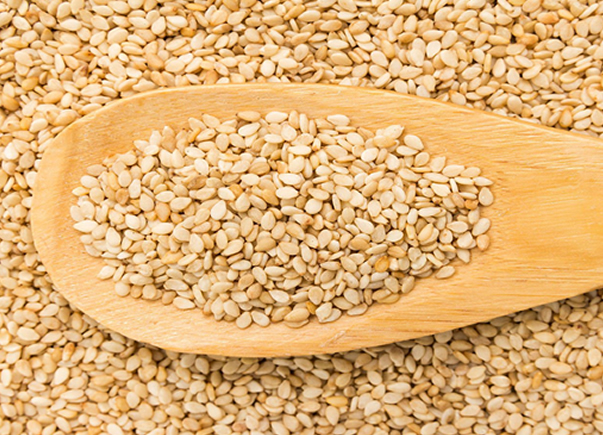
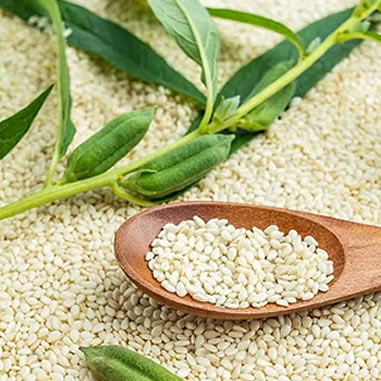
Sesame seeds (or sesamum or benniseed)
are the seeds of the tropical annual Sesamum indicum. The
species has a long history of cultivation, mostly for its
yield of oil.
Based on their colour difference,
sesame seed in Nigeria can be classified into two (2) types
namely the white/raw and black/mixed.
The white varieties are usually
regarded as the food grade and used in the bakery industry
while the black varieties are referred to as oil grade and
used in the production of sesame oil.
The White (Food Grade) seed is grown
around the towns of Keffi, Lafia/Makurdi, Doma, and in
Nassarawa, Taraba, and Benue States.
The demand market for sesame seed can
be classified into two (2) broad groups namely that who
import because of the high-quality oil extractable from the
seed and those who buy for non-oil use.
Oil based importers are mostly in Asia
and includes countries like Japan and Korea. The national
requirement for sesame seed in Japan is estimated at over
two hundred thousand (200,000) MT. With national requirement
of over sixty thousand (60,000) MT the US market is mixture
of oil and non-oil market.
Sesame seeds (Sesamum indicum) are
grown primarily for their oil content. The European market
primarily uses sesame seeds for toppings on bakery products
such as bread, bagels, hamburger buns and confectionery
(sweets). Sesame seeds are also used in snacks, salads
(seed, dressings and sauces) and crackers, often in the form
of sesame sticks.
Restaurants and natural food consumers
also purchase sesame seeds for use in food from various
cuisines products like tahini and hummus, sushi and Eastern
dessert.
White seeds are used primarily in
natural or hulled form because of their aesthetic value,
whereas mixed seeds are generally crushed into oil.